

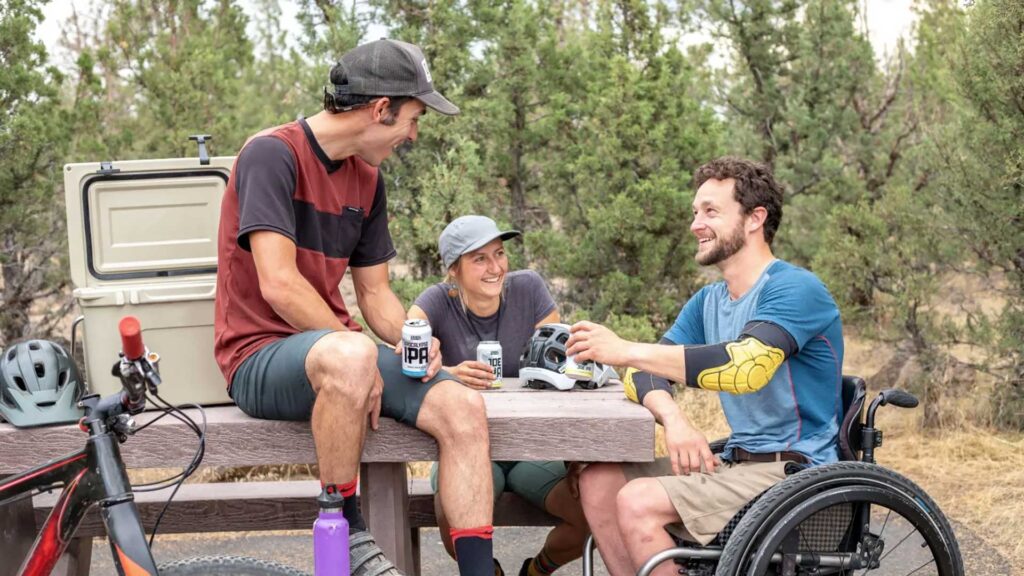
Stroke survivors are the least active of all chronic health conditions
JESSICA ANDERSON – PHYSIOTHERAPIST
STROKE REHABILITATION/BRAIN INJURY REHABILITATION SPECIALIST
Did you know?
- Stroke survivors are the least active of all chronic health conditions
- Stroke survivors are at 30% risk of further stroke, 18% of which will be fatal
- Exercise along with diet modification, anti hypertensives, cholesterol lowering meds and aspirin could lower risk of secondary stroke by 80%
How can Physiotherapy help?
- Prescription of Exercise Programs based on individual impairments and ability
- Advice about what types of exercise and activity may suit each individual
- Health coaching and identification of barriers and facilitators to regular activity
- Behaviour change strategies to ensure long term activity adherence (1, 2, 3)
- Support patients to build up their exercise gradually and safely
Finding the exercise a person is motivated to do is the best type of exercise!
Physical activity recommendations for stroke survivors
Aerobic exercise:
– 3 to 5 days per week
– 20 to 60 min sessions of a moderate intensity (or multiple shorter sessions)
Strength training:
– 2 to 3 days per week
– 1 to 3 sets of 10-15 reps of all major muscle groups
Flexibility:
– Stretches 2-3 days per week paired with aerobic or strength training
– Neuromuscular/balance
– Used as an adjunct to aerobic and strength training on 2-3 days per week
Any movement or activity is better than none!
References
- Billinger, S. A., Arena, R., Bernhardt, J., Eng, J. J., Franklin, B. A., Johnson, C. M., . . . Tang, A. J. S. (2014). Physical activity and exercise recommendations for stroke survivors: a statement for healthcare professionals from the American Heart Association/American Stroke Association. 45. doi:10.1161/str.0000000000000022
- Fini, N. A., Holland, A. E., Keating, J., Simek, J., & Bernhardt, J. (2017). How Physically Active Are People Following Stroke? Systematic Review and Quantitative Synthesis. Physical Therapy, 97(7), 707-717. doi:10.1093/ptj/pzx038
- Morris, J. H., Macgillivray, S., & McFarlane, S. (2014). Interventions to promote long-term participation in physical activity after stroke: a systematic review of the literature. Arch Phys Med Rehabil, 95(5), 956-967. doi:10.1016/j.apmr.2013.12.016
- Ploughman, M., & Kelly, L. P., (2016). Four birds with one stone? Reparative, neuroplastic, cardiorespiratory, and metabolic benefits of aerobic exercise poststroke. Curr Opin Neurol, 29
- Turan, N. T., Nizam, A., Lynn, M. J., Egan, B. M., Le, N-A., Lopes-Virella, M. F., … Chimowitz, M. I. (2017). Relationship between risk factor control and vascular events in the SAMMPRIS trial. Neurology, 88 (4), 379-385

